
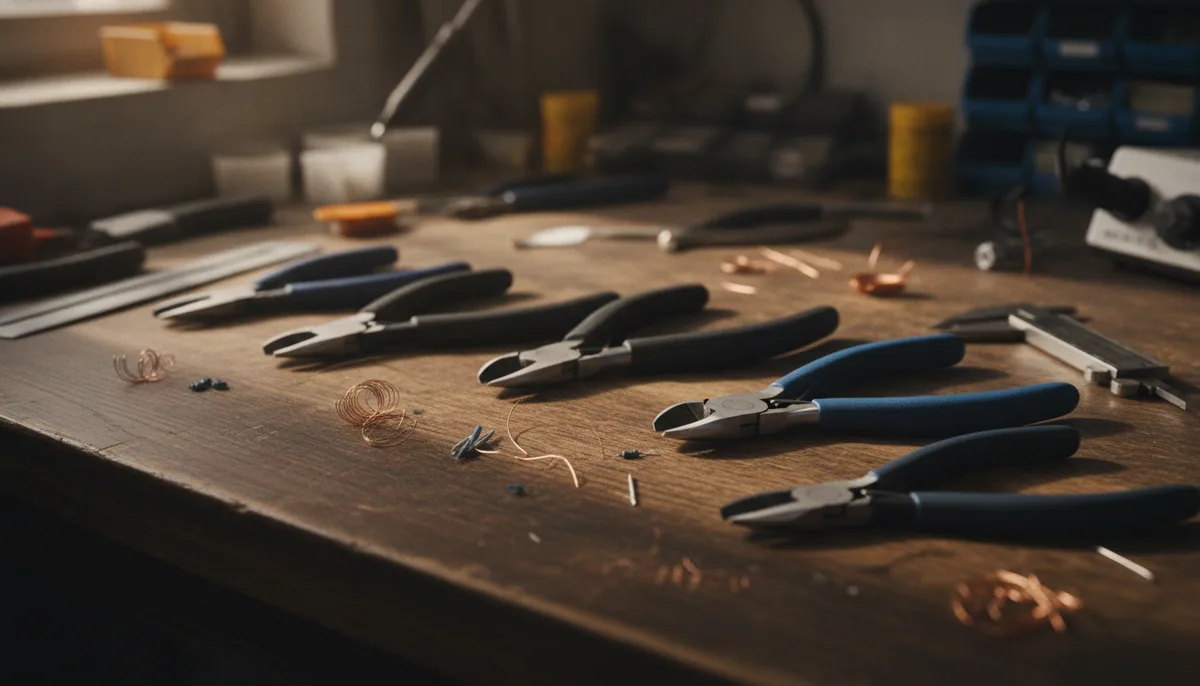
Precision Snips: Finding the Best End-Cutting Pliers for Your Workbench
In the world of precision hardware and electronics, the quality of your hand tools is often the invisible line between a professional finish and a botched job. Among the most specialized yet essential tools in a maker's arsenal is the end-cutting plier. Unlike standard diagonal cutters, end-cutters (or "end nippers") feature a cutting edge perpendicular to the handles, allowing for high-leverage snips that are perfectly flush with the workpiece surface.
Recently, the rigorous testing conducted by Project Farm’s Todd provided a comprehensive look at the market, pitting industry titans like Knipex and Milwaukee against budget-friendly alternatives like WorkPro and Speedwox. Whether you are trimming through-hole components on a custom PCB or pulling stubborn brad nails from a restoration project, understanding the nuances of these tools is critical.
The Anatomy of a Perfect Flush Cut
The primary metric for any end-cutting plier is the closeness of the flush. When you snip a wire or a nail, the goal is often to leave no "nub" or sharp protrusion behind. This is particularly vital in electronics, where a protruding lead can cause a short circuit or snag on an enclosure.
The geometry of the jaw determines this performance. High-end manufacturers machine their cutting edges with extreme precision to ensure the "beveled" side of the blade is as thin as possible, or in some cases, completely flat. In the recent comparative tests, brands were evaluated specifically on how much material they left behind.
For those building out a comprehensive kit, selecting a tool that excels in this area is a prerequisite. If you are just starting your journey into high-quality gear, consulting The Soldered Anywhere Master Buying Guide can help you prioritize which tools deserve the largest portion of your budget.
The Heavyweights: Knipex vs. Milwaukee vs. Blue-Point
When performance is non-negotiable, the conversation usually begins with Knipex. Known for their superior metallurgy and ergonomic designs, Knipex end-cutters often set the benchmark for cutting force and edge retention. In the Project Farm testing, Knipex demonstrated why it remains a favorite among professionals, offering a combination of clean cuts and high durability.
However, Milwaukee and Blue-Point (a Snap-on brand) are formidable competitors. Milwaukee’s entry into the hand tool space has been aggressive, focusing on high-torque applications and comfort. Blue-Point, while often more expensive, brings the pedigree of professional automotive tools to the table.
Key takeaways for the high-end tier:
- Knipex: Exceptional leverage and edge hardness. Ideal for repetitive industrial use.
- Milwaukee: Great ergonomics and readily available, performing well in heavy-duty "nipping" tasks.
- Blue-Point: High precision and excellent warranty support, though often at a premium price point.
Mid-Range Reliability: Channellock, GearWrench, and Gedore
For the serious hobbyist or the engineer who needs a reliable tool without the "tool truck" price tag, the mid-range offers the best value. Channellock, an American staple, is famous for its iconic blue grips and forged steel. Their end-cutters are rugged and dependable, though they may lack the surgical refinement of a Knipex.
Gedore and NWS represent the European mid-to-high range. NWS, in particular, is often praised for its unique handle designs and "TitanFinish," which provides excellent corrosion resistance. GearWrench, while better known for ratchets, produces solid pliers that often outperform their price bracket in terms of jaw alignment.
If you find yourself performing Emergency RC Repair: Soldering in the Pits, a mid-range tool like a Channellock or GearWrench is often the perfect balance—high enough quality to get the job done, but not so expensive that you’ll lose sleep if it gets dropped in the dirt.
Evaluating the Budget Contenders: Tekton to WorkPro
The budget market is crowded with brands like Tekton, WorkPro, Speedwox, and American Mutt Tools. The performance in this category varies wildly.
Tekton has carved out a niche by offering surprisingly good quality control and an industry-leading replacement warranty. In the flush-cut tests, Tekton often holds its own against brands twice its price. On the other end of the spectrum, brands like Performance Tool or Bates are often best reserved for light-duty tasks where precision isn't the primary concern.
One interesting outlier in recent testing was Wazakura. While primarily known for bonsai tools, their end-cutters are designed for the delicate task of trimming wire in horticultural applications. This translates well to fine electronics work, where the "closeness of flush" is more important than the ability to cut through a hardened steel nail.
Durability and Edge Retention: The Long-Term View
A tool that cuts well on day one may not cut well on day 100. The Project Farm tests highlight a critical factor: edge deformation. When cutting hardened materials like piano wire or stainless steel screws, the "teeth" of the pliers can chip or flatten.
High-carbon steel tools that have been induction-hardened (like those from Gedore or Knipex) maintain their sharpness significantly longer than cheaper alternatives. If you are frequently cutting hard wires, the cost of replacing three pairs of budget pliers like Hautmec or Kseibi will quickly exceed the cost of a single pair of high-quality NWS or Knipex nippers.
Practical Guidance: Which Should You Buy?
Choosing the "best" end-cutting plier depends entirely on your specific use case:
For the Electronics Engineer
Focus on the "closeness of flush." You want a tool that leaves the PCB lead perfectly flat.
- Top Pick: Knipex or NWS.
- Value Pick: Tekton or Wazakura.
For the General Maker and Woodworker
You need leverage to pull nails and the strength to cut through small bolts.
- Top Pick: Milwaukee or Channellock.
- Value Pick: GearWrench or Barnwell.
For the Occasional DIYer
If you only need to snip a wire once every six months, a budget-friendly option is sufficient.
- Top Pick: WorkPro or Speedwox.
Conclusion
The data from the Project Farm comparison confirms a long-held belief in the engineering community: you generally get what you pay for, but the "sweet spot" for value is wider than most think. While Knipex remains the gold standard for those who demand the absolute best in flush-cutting performance and durability, brands like Tekton and Channellock provide more than enough utility for the average workbench.
When selecting your next pair of end-cutters, look past the brand name and focus on the jaw alignment and the hardening of the cutting edge. A tool that provides a truly flush cut will not only improve the aesthetics of your projects but also the safety and reliability of your mechanical and electrical connections.